


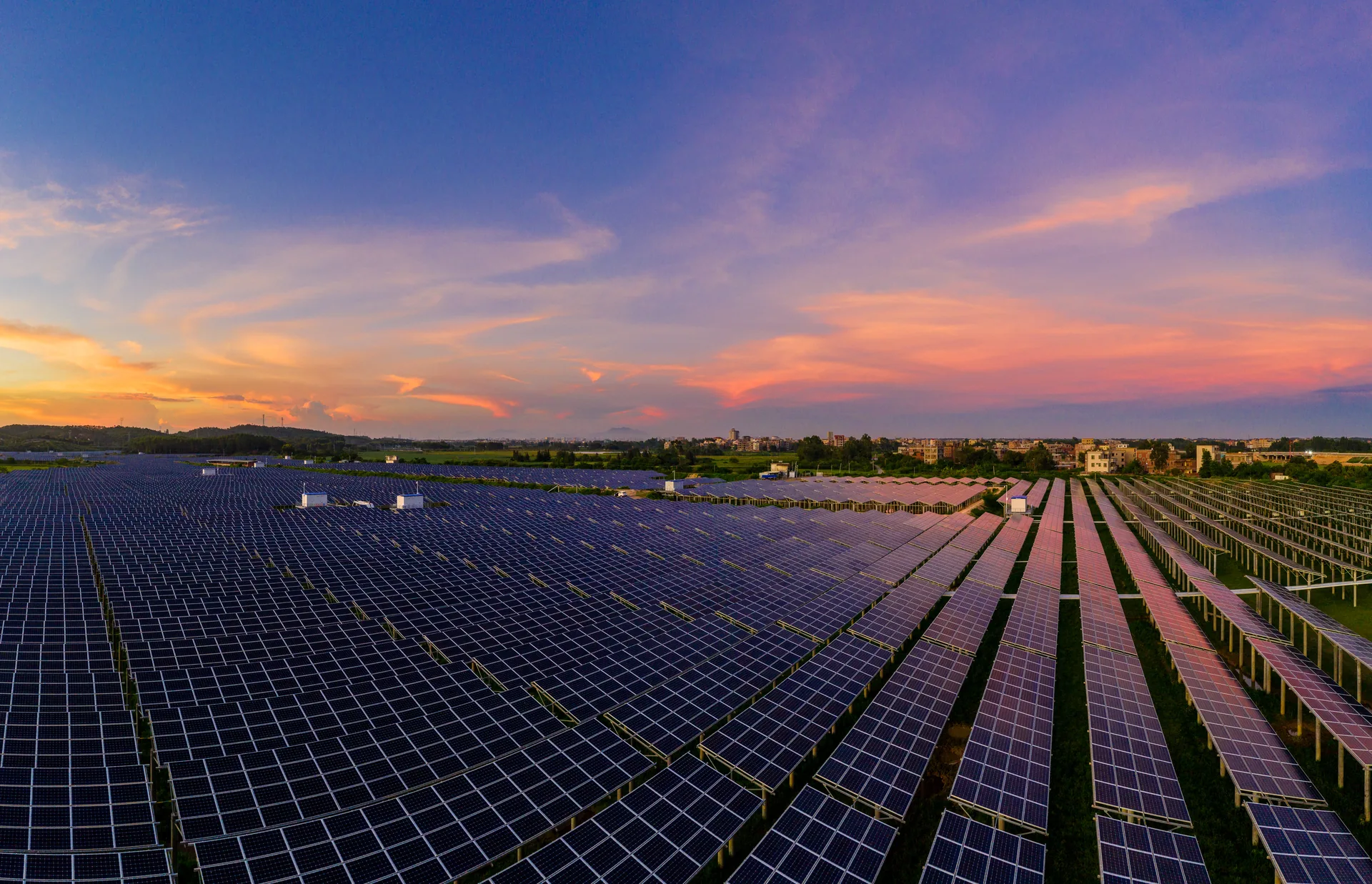
Energy RFQs
Capture solar irrigation, farm PV, battery, cold-chain and rural power requests with the same controlled intake logic as agriculture demand.

 Agriculture trade, energy and finance workflows with proof-controlled access

CONSAI Agro & Energy OS connects agricultural demand, marketplace supply, energy projects, finance readiness and institutional workflows through protected role-based execution.

 Carbon Markets · 6 min insight
A practical framework for screening carbon projects, controlling evidence, managing risk and preparing buyer-ready due diligence without overstating issuance.

No - 01
A carbon pipeline is not an inventory of issued credits. It is a controlled sequence of opportunities moving through eligibility, feasibility, project design, validation, monitoring, verification, issuance and retirement. Clearly separating those stages prevents early interest, projected volumes and verified units from being presented as the same thing.
No - 02
Buyer readiness starts with a structured project dossier. It should identify the project owner, participating communities, geography, intervention, methodology pathway, expected monitoring period, safeguards and benefit-sharing model. Volume estimates must be labelled as estimates and accompanied by assumptions, uncertainty ranges and the stage at which an independent party will test them.

No - 03
Risk controls matter as much as projected impact. Permanence, leakage, double counting, corresponding adjustments where relevant, land-right disputes, data quality and conflicts of interest should be visible in a decision log. Buyers also need a clear chain of custody from project evidence to registry serial number and final retirement beneficiary.
Serious carbon buyers evaluate the quality of the climate claim, the project’s delivery risk and the integrity of every record behind a potential credit.
A carbon pipeline is not an inventory of issued credits. It is a controlled sequence of opportunities moving through eligibility, feasibility, project design, validation, monitoring, verification, issuance and retirement. Clearly separating those stages prevents early interest, projected volumes and verified units from being presented as the same thing.
Buyer readiness starts with a structured project dossier. It should identify the project owner, participating communities, geography, intervention, methodology pathway, expected monitoring period, safeguards and benefit-sharing model. Volume estimates must be labelled as estimates and accompanied by assumptions, uncertainty ranges and the stage at which an independent party will test them.
Risk controls matter as much as projected impact. Permanence, leakage, double counting, corresponding adjustments where relevant, land-right disputes, data quality and conflicts of interest should be visible in a decision log. Buyers also need a clear chain of custody from project evidence to registry serial number and final retirement beneficiary.
Within CONSAI, project developers, farmers, institutions and buyers can work from role-based records, evidence vaults, review gates and controlled matching. This creates a cleaner route from project intake to diligence while preserving a strict distinction between platform readiness, third-party verification and registry-issued carbon credits.
The following requirements translate the topic into evidence, decisions and accountable platform workflows.
Stage-gated pipeline from concept to retirement
Project ownership, land rights and stakeholder consent
Methodology fit and conservative volume assumptions
Safeguards, benefit-sharing and grievance records
Permanence, leakage and double-counting controls
Independent assurance and conflict-of-interest checks
Registry account, serial number and custody evidence
Buyer data room with versioned documents and decisions
EvidenceTraceVerify
Serious carbon buyers evaluate the quality of the climate claim, the project’s delivery risk and the integrity of every record behind a potential credit.


Discuss the article
 Insight Questions

Connect claims and decisions to structured evidence, accountable roles and an explicit workflow.
CONSAI links the topic to role-based records, review stages, marketplace activity, documents and controlled follow-up.
Regulated, certified, financial or technical claims remain subject to the relevant qualified professionals and institutions.
More InsightsCONSAI extends the agriculture operating layer into Energy RFQs, solar provider routing, ROI readiness, carbon/MRV proof and finance context so rural projects can move from need to reviewed execution.
Capture solar irrigation, farm PV, battery, cold-chain and rural power requests with the same controlled intake logic as agriculture demand.
Connect budget, payback, provider proof and project documents before investors, banks or partners review the opportunity.
Keep documents, verification state, carbon evidence and institutional review signals aligned with the protected execution workflow.