


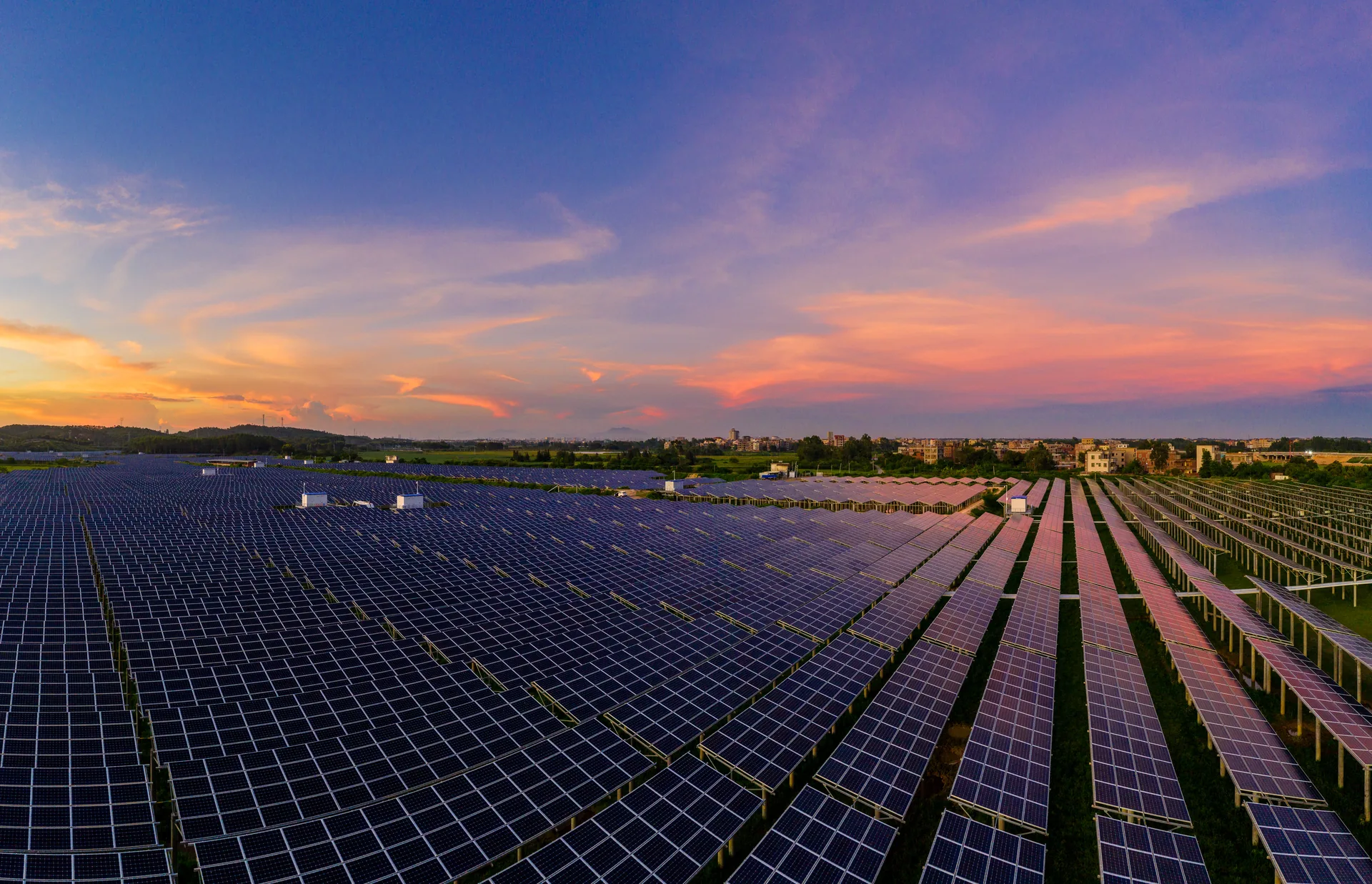
Energy RFQs
Capture solar irrigation, farm PV, battery, cold-chain and rural power requests with the same controlled intake logic as agriculture demand.

 Agriculture trade, energy and finance workflows with proof-controlled access

CONSAI Agro & Energy OS connects agricultural demand, marketplace supply, energy projects, finance readiness and institutional workflows through protected role-based execution.

 Carbon Strategy · 7 min insight
Understand carbon insetting and offsetting for agri-food companies, including value-chain boundaries, claims, MRV, farmer incentives and double counting.

No - 01
Insetting generally supports emissions reductions or removals within a company’s own value chain, such as farms supplying its products. Offsetting typically uses independently issued credits outside the inventory boundary to address residual emissions under a stated claim framework.

No - 02
The central risks are unclear boundaries, double counting and overstated language. Companies should distinguish inventory accounting, contribution claims, credit retirement and supplier-level outcomes while maintaining traceable evidence for each.

No - 03
CONSAI can connect farmer participation, field interventions, buyer programs, evidence records and benefit-sharing workflows so value-chain climate initiatives remain operationally visible and diligence-ready.
Insetting and offsetting can both finance climate action, but they operate across different value-chain relationships and require precise claims.
Insetting generally supports emissions reductions or removals within a company’s own value chain, such as farms supplying its products. Offsetting typically uses independently issued credits outside the inventory boundary to address residual emissions under a stated claim framework.
The central risks are unclear boundaries, double counting and overstated language. Companies should distinguish inventory accounting, contribution claims, credit retirement and supplier-level outcomes while maintaining traceable evidence for each.
CONSAI can connect farmer participation, field interventions, buyer programs, evidence records and benefit-sharing workflows so value-chain climate initiatives remain operationally visible and diligence-ready.
The following requirements translate the topic into evidence, decisions and accountable platform workflows.
Value-chain and inventory boundary
Intervention ownership and funding
Baseline and additionality logic
Farmer agreements and incentives
Monitoring and assurance approach
Double-counting controls
Credit issuance or contribution status
Accurate public claims and retirement evidence
EvidenceTraceVerify
Insetting and offsetting can both finance climate action, but they operate across different value-chain relationships and require precise claims.


Discuss the article
 Insight Questions

It commonly refers to climate action within a company’s own value chain, though claim rules and accounting treatment must still be specified.
Offsetting generally involves retiring independently issued credits to address emissions under a defined claim framework.
It should not be. Program design needs clear ownership, accounting boundaries and registry or contractual controls.
More InsightsCONSAI extends the agriculture operating layer into Energy RFQs, solar provider routing, ROI readiness, carbon/MRV proof and finance context so rural projects can move from need to reviewed execution.
Capture solar irrigation, farm PV, battery, cold-chain and rural power requests with the same controlled intake logic as agriculture demand.
Connect budget, payback, provider proof and project documents before investors, banks or partners review the opportunity.
Keep documents, verification state, carbon evidence and institutional review signals aligned with the protected execution workflow.