
A practical framework for clearer agro-energy requirements, comparable supplier proposals and stronger project execution across farms and providers.
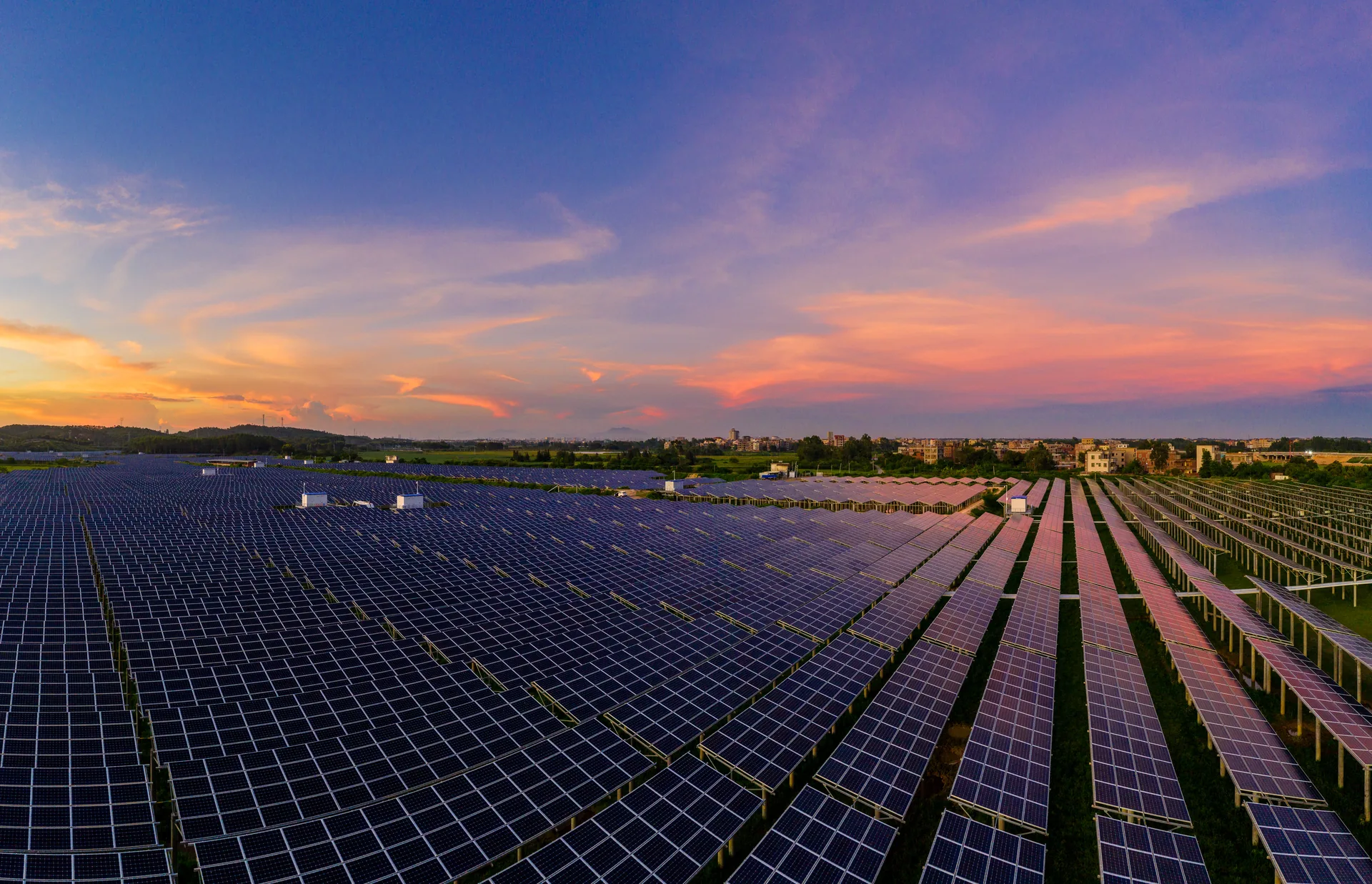

The Critical Role of Energy in Agrifood Systems
Energy is the lifeblood of modern agriculture, powering every stage of agrifood systems, from cultivation and irrigation to processing, storage, and transportation. The Food and Agriculture Organization (FAO) highlights that roughly 30 percent of the world's energy is consumed within agrifood systems. This extensive energy demand, coupled with a significant contribution to global greenhouse gas emissions, underscores the urgent need for sustainable energy solutions. Farms require reliable and affordable energy to maintain productivity, especially as global populations grow and climate challenges intensify. Whether it's for powering irrigation pumps, operating cold storage facilities to prevent food loss – which can be substantial due to lack of refrigeration – or running processing machinery, consistent energy access is non-negotiable. The shift towards renewable energy sources like solar power offers a dual benefit: reducing environmental impact while enhancing energy security and potentially lowering long-term operational costs for agricultural businesses. However, the path to adopting these solutions is often fraught with procurement challenges.
Navigating the Complexities of Agro-Energy Procurement
Procuring energy solutions for agricultural settings is inherently complex. Farms, often specialized in agricultural production, may lack deep expertise in energy infrastructure, technical specifications, or the intricacies of energy markets. This knowledge gap can make it difficult to articulate precise needs, evaluate proposals effectively, or compare diverse offerings from various providers. On the other hand, energy providers, including solar EPCs and equipment suppliers, may struggle to fully grasp the unique operational constraints, seasonal demands, and specific site conditions of an agricultural client. Traditional, unstructured RFQs often exacerbate these issues. Vague requirements, inconsistent data, and a lack of standardized submission formats can lead to: misinterpretations of project scope, inaccurate cost estimations, proposals that don't directly address the farm's actual needs, and prolonged negotiation periods. This ambiguity creates inefficiencies, increases risks for both parties, and can ultimately deter investment in crucial energy upgrades.
What Defines a Structured RFQ in Agro-Energy?
A structured Request for Quotation (RFQ) is a meticulously designed document that standardizes the information exchange between a buyer (the farm) and potential suppliers (EPCs, equipment providers). Unlike a general request, a structured RFQ for agro-energy procurement is characterized by its detailed, prescriptive nature. It typically includes: clear project objectives, comprehensive technical specifications for equipment (e.g., solar panel type, inverter capacity, battery storage), detailed site information (e.g., land availability, existing grid connection, energy consumption patterns), required performance metrics (e.g., expected energy output, uptime guarantees), specific timelines for project completion, and defined evaluation criteria. Furthermore, it mandates a standardized format for proposal submissions, ensuring that all bids can be directly compared on an 'apples-to-apples' basis. This systematic approach transforms a potentially chaotic process into an organized, transparent, and efficient one, laying a solid foundation for successful project execution.
Reducing Ambiguity Through Clear Requirements
The primary benefit of a structured RFQ lies in its ability to eliminate ambiguity. By clearly outlining every aspect of the project, from the desired energy capacity to specific installation requirements and maintenance expectations, farms can ensure that providers fully understand their needs. For example, specifying the exact type of solar mounting system suitable for agricultural land, or detailing the peak and off-peak energy demands of a processing facility, leaves little room for guesswork. This clarity benefits providers by allowing them to develop more accurate and competitive proposals, reducing the need for extensive back-and-forth clarification. When an RFQ specifies required certifications, safety standards, and environmental considerations, it also helps filter out unsuitable bidders and ensures compliance. Platforms like CONSAI Agro & Energy OS can provide the framework to organize demand, centralize evidence, define roles, and ensure systematic follow-up throughout the procurement lifecycle, making it easier to build and manage these detailed RFQs and track responses.
Streamlining the Process for Farms and Providers
For farms, a structured RFQ simplifies the evaluation process. With standardized proposals, comparing bids becomes more straightforward, allowing for a focus on value, technical merit, and provider experience rather than deciphering disparate formats. This efficiency saves time and resources, enabling faster decision-making. For energy providers, particularly solar EPCs and suppliers, a well-structured RFQ means less time spent on clarifying basic requirements and more time on crafting innovative and tailored solutions. It reduces the risk of submitting a non-compliant or misaligned proposal, increasing their chances of success. Furthermore, the transparency inherent in a structured process fosters greater trust and stronger relationships between buyers and suppliers. By clearly defining roles, responsibilities, and communication protocols within the RFQ, potential conflicts are minimized, and a collaborative environment is encouraged. CONSAI Agro & Energy OS workflows can support this by organizing all relevant project documentation, stakeholder communications, and submission deadlines in a single, accessible location, ensuring all parties are aligned and informed.
Beyond the Bid: Ensuring Project Success
The benefits of a structured RFQ extend far beyond the bidding phase. The clarity established during procurement forms the bedrock for successful project implementation. When the scope, specifications, and expectations are clearly defined from the outset, the likelihood of disputes, change orders, and delays during installation and commissioning is significantly reduced. Post-award, the detailed information contained within the RFQ serves as a foundational document for project management, quality control, and performance monitoring. It provides a benchmark against which progress can be measured and deliverables assessed. For long-term operational success, especially in the context of complex energy assets, having a clear record of initial requirements and agreed-upon solutions is invaluable. Leveraging digital platforms to manage these detailed RFQ processes and subsequent project phases can further enhance transparency and accountability, ensuring that the initial investment in a structured approach continues to yield returns throughout the project's lifecycle.
Key operational takeaways
- Prioritize clarity: Define all project requirements, technical specifications, and performance metrics in detail within your RFQ.
- Standardize submissions: Mandate a consistent format for all proposals to facilitate direct comparison and evaluation.
- Centralize information: Utilize platforms to organize demand, evidence, and communication for all stakeholders.
- Specify evaluation criteria: Clearly state how proposals will be assessed to ensure transparency and fairness.
- Outline roles and responsibilities: Define expectations for both the farm and the energy provider throughout the project lifecycle.
- Focus on long-term value: A structured RFQ minimizes risks and sets the stage for successful project implementation and operation.
Frequently asked questions
Why is energy procurement particularly challenging for agricultural operations?
Agricultural operations often have unique energy demands tied to seasonal cycles and specific equipment, combined with a potential lack of specialized knowledge in energy infrastructure. This can make it difficult to articulate precise needs and evaluate complex technical proposals from energy providers, leading to ambiguity and inefficiencies in traditional procurement processes.
How does a structured RFQ benefit energy providers like solar EPCs?
For solar EPCs and other energy providers, a structured RFQ provides clear, detailed requirements, reducing the need for extensive clarifications and enabling them to submit more accurate, competitive, and tailored proposals. This efficiency saves time, reduces bid preparation costs, and increases the likelihood of winning projects that are well-defined from the start.
Can digital platforms help in creating and managing structured RFQs?
Yes, digital platforms are highly effective for creating and managing structured RFQs. They can centralize project documentation, standardize submission formats, facilitate communication between all parties, and organize demand and evidence. This streamlines the entire procurement process, enhances transparency, and ensures systematic follow-up, leading to more efficient and successful energy projects.
Source framework
This insight is supported by the following external reference material and CONSAI Agro & Energy OS operational context.
A strong agro-energy project begins with requirements that every farm, provider and reviewer can interpret in the same way.
Turn insight into a relevant platform pathway.
Choose the role and operating route that best matches your next step.