
The global agricultural sector is a cornerstone of economic growth and food security, supporting millions of livelihoods and facing the immense challenge of feeding a population projected to increase significantly by 2050. Meeting this demand requires not only fertile land and skilled labor but also efficient and appropriate agricultural machinery. However, a persistent gap often exists between farmers' specific equipment needs, the availability of suitable machinery from providers, and the financial mechanisms required to facilitate these transactions. This article delves into the complexities of agricultural machinery access, highlighting the critical roles of demand articulation, supply chain efficiency, and innovative financing, and how structured digital approaches can foster a more connected and productive agricultural ecosystem.

The Indispensable Role of Modern Agricultural Machinery
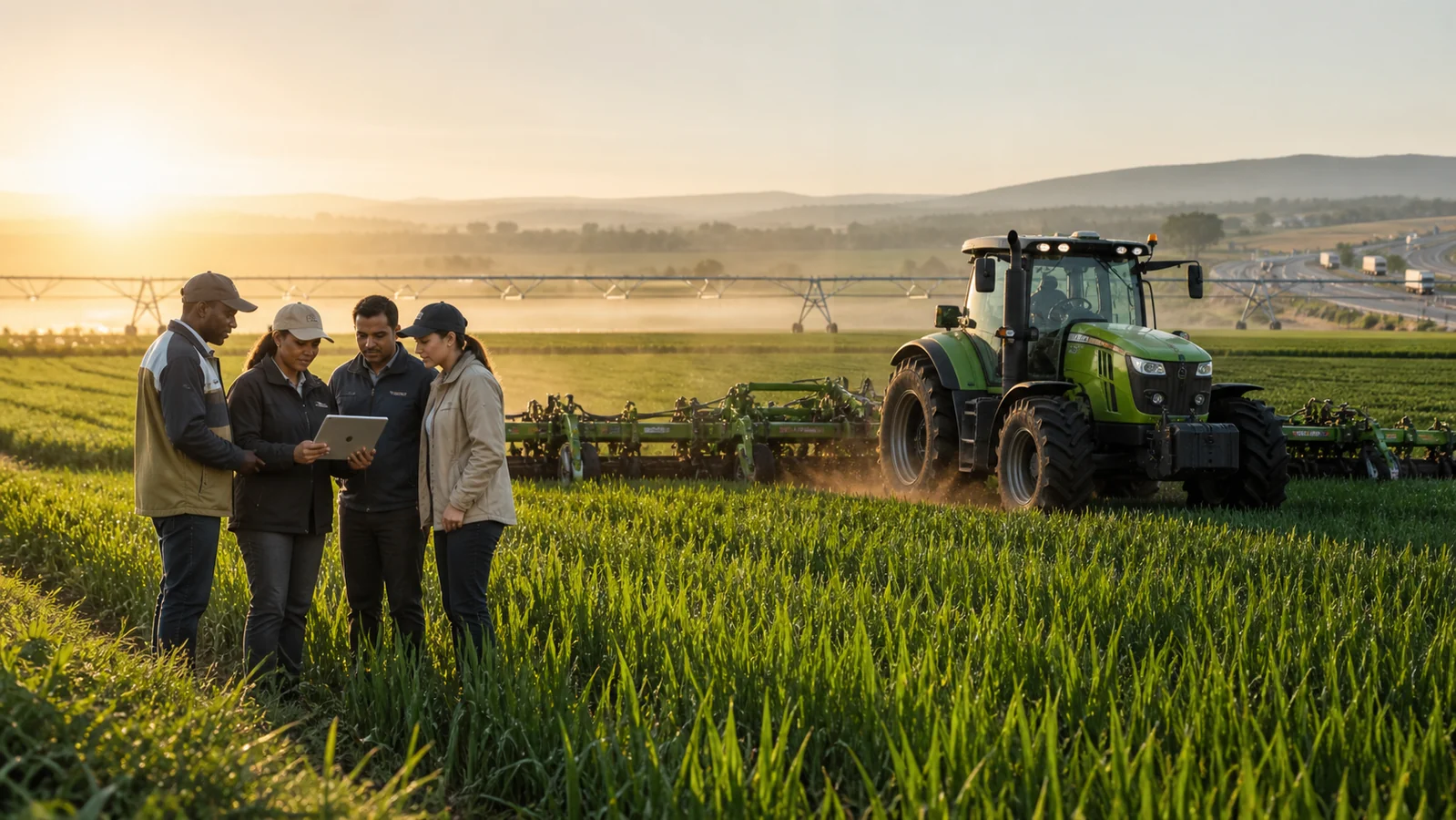
Agricultural machinery is fundamental to modern farming, enabling increased productivity, efficiency, and sustainability. From planting and harvesting to irrigation and processing, specialized equipment allows farmers to optimize resource use, reduce labor intensity, and respond effectively to market demands. The food sector, which encompasses farming and agribusiness, is a significant driver of economic activity and employment worldwide. With the global demand for food expected to rise substantially, the ability of farms to operate efficiently becomes even more critical. Access to advanced machinery can transform agricultural practices, leading to higher yields, improved crop quality, and enhanced resilience against environmental and economic shocks. Without adequate machinery, many farms, particularly smaller operations, struggle to compete, innovate, and contribute fully to food security goals.
Navigating the Access Gap: Challenges for Farmers and Providers
Despite the clear benefits, many farmers, especially in developing regions, face significant hurdles in accessing the machinery they need. These challenges are multifaceted, including the high upfront cost of new equipment, limited availability of spare parts and maintenance services, and a lack of reliable information about suitable machinery options. For machinery providers, understanding the diverse and often fragmented demand from individual farmers or cooperatives can be equally challenging. They must contend with logistical complexities, varying regional requirements, and the need to offer flexible solutions, whether through direct sales, rental models, or shared ownership programs. This disconnect often results in underutilized machinery on one side and unmet demand on the other, hindering agricultural development and efficiency.
Articulating Demand: Farmers' Needs and Specifications
For any effective solution, accurately understanding the demand side is paramount. Farmers' machinery requirements are highly specific, influenced by factors such as farm size, crop type, soil conditions, climate, and local agricultural practices. A smallholder farmer cultivating specialty crops will have vastly different needs than a large-scale grain producer. The process of articulating this demand often involves detailed specifications, performance expectations, and budget constraints. Traditionally, this has been a manual and often informal process, leading to inefficiencies and mismatches. Digital platforms offer an opportunity to standardize and centralize these requests, allowing farmers to clearly define their needs, submit requests for quotation (RFQs) for specific equipment or services, and provide necessary supporting evidence, such as farm size, crop rotation plans, or soil analysis results. This structured approach helps providers understand the precise nature of the demand.
Connecting Supply: Machinery Providers and Service Offerings
On the supply side, machinery providers range from large international manufacturers to local distributors and rental companies. Their ability to meet farmer demand hinges on efficient inventory management, robust distribution networks, and a clear understanding of market needs. A digital farm machinery marketplace can serve as a vital intermediary, allowing providers to list their available equipment, rental services, and maintenance offerings. By receiving structured RFQs from farmers, providers can respond with tailored proposals, including pricing, availability, and technical specifications. This streamlines the matching process, reduces search costs for both parties, and fosters greater transparency. Furthermore, such platforms can facilitate the organization of evidence related to equipment specifications, maintenance records, and service agreements, ensuring all parties have access to verified information.
Unlocking Equipment Finance: Bridging Capital Gaps
Even when a perfect match between farmer demand and machinery supply is found, financing remains a critical barrier. Agricultural equipment represents a significant capital investment, and many farmers, particularly those without extensive credit histories or collateral, struggle to secure traditional loans. Financiers, in turn, face challenges in assessing risk, verifying asset values, and monitoring loan performance in the agricultural sector. Innovative equipment finance models, such as lease-to-own, pay-per-use, or asset-backed lending, are emerging to address these gaps. Digital platforms can play a pivotal role by providing a structured environment for farmers to submit comprehensive financial requests, including business plans, historical performance data, and projected returns. For financiers, these platforms can organize the necessary evidence, define roles for due diligence, and establish clear follow-up mechanisms for loan applications and repayment tracking, thereby reducing perceived risk and encouraging investment in agricultural machinery.
Streamlining Workflows with Digital Platforms
Integrated digital platforms offer a powerful solution to the complexities of agricultural machinery access. By providing a centralized hub, these systems can organize demand from farmers, allowing them to submit detailed requests and evidence of their operational needs. For machinery providers, the platform can streamline the process of receiving and responding to RFQs, managing inventory, and tracking service delivery. Crucially, for financiers, these platforms can structure the entire financing application process, from initial inquiry to final approval and ongoing monitoring. Workflows within such systems can define roles for all participants – farmers, providers, and financiers – ensuring that each step, from submitting an RFQ to securing equipment finance, is transparent and accountable. The ability to manage evidence, track communications, and automate follow-up actions significantly enhances efficiency, reduces administrative burdens, and builds trust across the agricultural value chain, ultimately fostering more robust trade and traceability in equipment transactions.
Towards a Connected Agricultural Future
The future of agricultural machinery access lies in greater connectivity and collaboration. By leveraging digital tools, the agricultural sector can move towards a more integrated ecosystem where farmers can easily articulate their needs, providers can efficiently offer solutions, and financiers can confidently support investments. This interconnected approach not only addresses immediate challenges but also lays the groundwork for long-term sustainability and growth. Empowering farmers with the right tools, facilitated by transparent and efficient processes, is essential for meeting the increasing global food demand and ensuring the economic viability of farming communities worldwide. The ongoing evolution of digital platforms will continue to refine these connections, making agricultural machinery more accessible and affordable for all.
Practical takeaways
- Clearly define your farm's machinery needs, including specifications, usage frequency, and budget, before seeking equipment.
- Explore various acquisition models beyond outright purchase, such as rental, leasing, or shared ownership, to match your operational and financial capacity.
- Utilize digital platforms to submit structured requests for quotation (RFQs) to multiple machinery providers, comparing offers efficiently.
- Prepare comprehensive documentation, including business plans and financial records, to strengthen your equipment finance applications.
- Engage with providers who offer robust after-sales support, including maintenance services and spare parts availability, to ensure equipment longevity.
- Leverage digital workflows to organize evidence, track communications, and manage follow-up for all machinery and finance transactions.
Official sources
Key facts were reviewed against the following official sources.
Frequently asked questions
How can smallholder farmers overcome the high cost of agricultural machinery?
Smallholder farmers can explore various strategies to mitigate high costs, including participating in machinery sharing cooperatives, utilizing rental services, or investigating lease-to-own programs. Digital platforms can help connect them with these alternative financing and access models, and with financiers willing to support such arrangements.
What information should farmers prepare when seeking equipment finance?
Farmers should prepare a detailed business plan, including projected yields and revenues, historical financial records, evidence of land ownership or lease agreements, and specific machinery requirements. Providing clear documentation helps financiers assess risk and tailor appropriate equipment finance solutions.
How do digital platforms improve transparency in machinery transactions?
Digital platforms enhance transparency by centralizing communication, standardizing RFQ and proposal formats, and organizing all related evidence and documentation. This ensures all parties – farmers, providers, and financiers – have access to the same verified information, reducing misunderstandings and building trust.
Strong opportunities become executable when demand, evidence, responsibilities and the next commercial decision are visible in one governed workflow.
Turn this insight into a relevant CONSAI Agro & Energy OS pathway.
Choose the role and operating route that matches your next commercial or institutional step.