
Project readiness · · 5 min read
Agriculture & Renewable Energy: A Project Data Room Checklist
A strong project introduction answers a simple question: what can the reviewing partner verify today? For agriculture, agro-processing and renewable-energy opportunities, a controlled project data room turns scattered claims into an organised review process. It does not guarantee funding. It makes the next conversation more precise.
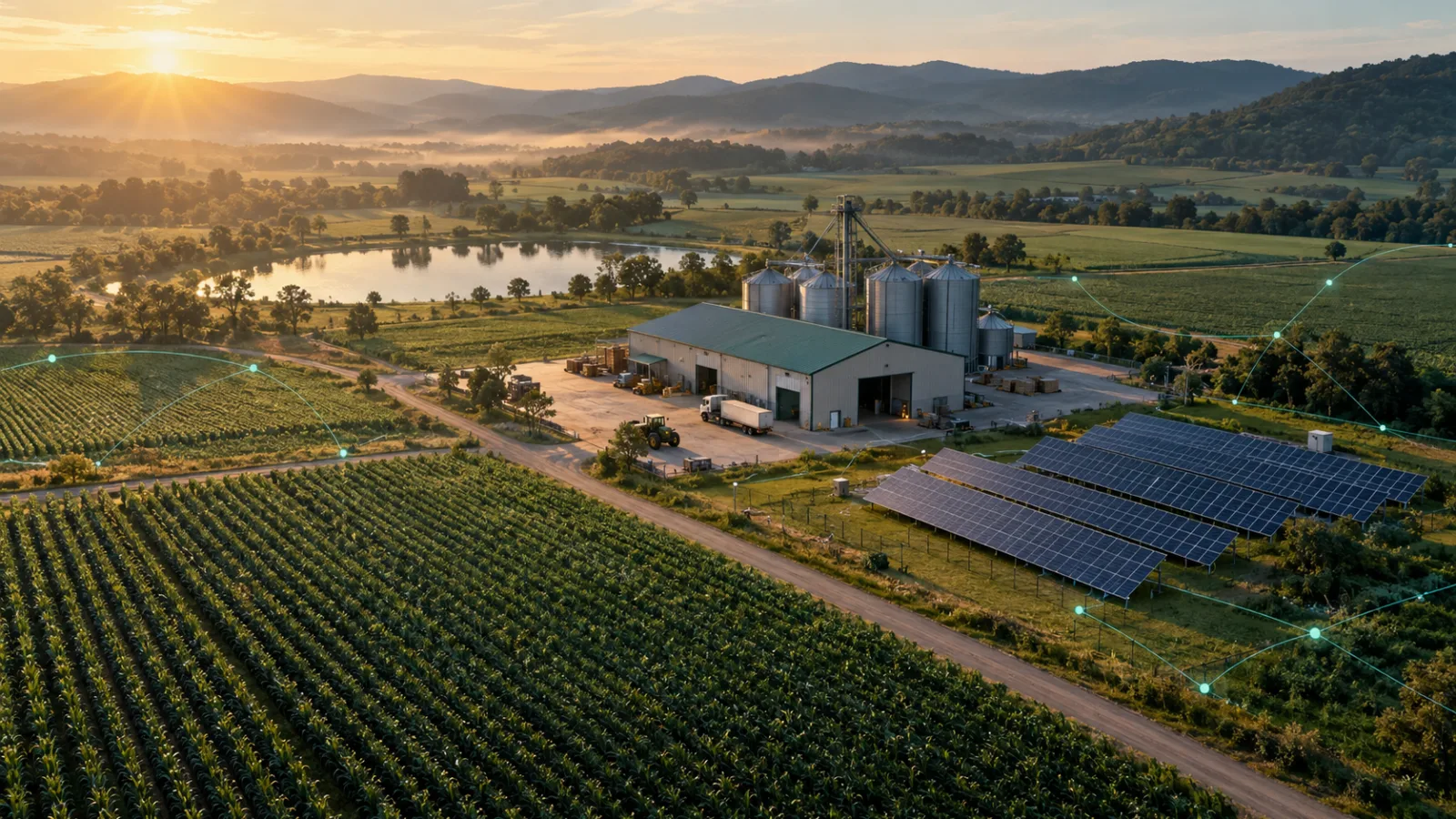
Editorial checklist, not lender-specific requirements or financial advice. No financing, investment approval or credit issuance is guaranteed. CONSAI has no stated endorsement or affiliation with the cited institutions.
Separate the platform story from the project case
A broad ecosystem overview explains how organisations connect. A project review needs a named opportunity with a defined owner, location, development stage and financing requirement. Keep those two layers separate. A lender examining a farm-energy facility is not assessing the same proposition as an investor considering a software platform. Sending one generic deck to both can obscure the actual decision.
1. Establish ownership and authority
Identify the project owner, operating entity and proposed borrower or investment vehicle. Record who is authorised to introduce the opportunity, share documents and negotiate. Include an organisation chart and the relevant mandate where applicable. A referral is not automatically a representation mandate. If a local origination partner is involved, define its role and protection before sharing confidential owner information.
2. Document the site and development status
Provide the location, site boundaries, land tenure and rights required to develop the asset. Track permits and approvals with their status, issuing authority, expiry date and remaining conditions. Distinguish documents already issued from applications or proposed work. Agricultural activity, energy infrastructure and grid connections may require different reviews. A satellite image supports location context, but it does not prove legal title or permission to build.
3. Show the underlying demand
For an agro-processing or farm-energy project, explain the operation that needs the asset. Include available electricity bills, load profiles, seasonal operating patterns and the cost of existing supply. Identify the customer or offtaker and whether demand is evidenced, forecast or only discussed. If revenue relies on an offtake agreement or power purchase agreement, state whether it is signed, conditional or under negotiation. Do not describe a conversation as a contracted buyer.
4. Build a technical package that can be reviewed
Describe the proposed capacity, technology, site constraints and intended operating model. Keep the assumptions behind solar, storage, irrigation or processing equipment visible. Where a qualified engineer has completed a study, label its scope and date. Where work is preliminary, mark it as such. Supplier quotations, performance assumptions and maintenance plans should be traceable rather than copied into a presentation without their source.
5. Make the financing request specific
State the amount sought, currency, use of proceeds and sponsor contribution. Separate development costs from construction and working capital. Explain whether the request concerns debt, equity, equipment finance or another structure, without treating the proposed structure as agreed. A useful financial model shows capital costs, operating costs, revenue assumptions and sensitivities. Evidence of affordability and repayment capacity matters more than a headline return.
6. Keep risks and safeguards in the main package
Identify material construction, operating, market, environmental and social risks. Describe community engagement, land-related issues and mitigation responsibilities where relevant. Explain the effect of delays, weaker demand or higher costs. An unresolved issue should be visible in a risk register with an owner and next action. Concealing it rarely makes diligence faster; it normally moves the problem into a later, more expensive stage.
7. Keep carbon claims separate from core revenues
Potential carbon income should not silently carry the business case. Record the proposed methodology or registry pathway, development status, rights and approvals, expected monitoring requirements and any independent review. Distinguish potential generation from issued, transferable credits. A project should not be marketed as verified supply solely because it has environmental benefits. If carbon revenue is uncertain, show a scenario without it.
8. Use a staged confidentiality process
Start with a non-confidential summary containing the project type, geography, stage and indicative requirement. Share sensitive owner, site and commercial documents only with an appropriate purpose and access framework. Use an NDA where warranted, document sharing permissions and preserve a record of introductions. Non-circumvention and commission terms need explicit written agreement; registration or document access alone should not imply acceptance of commercial terms.
What to send in the first email
Send a concise brief: owner and authority; country and sector; asset and development stage; evidenced demand; funding amount and use; sponsor contribution; key permits; major gaps; and the decision requested. Attach only the material that supports that first decision. If a counterparty asks for a specific project overview before platform registration, respond to that requirement rather than treating registration as a substitute for diligence.
How CONSAI can support a structured next step
CONSAI Agro & Energy OS provides an ecosystem context for agriculture, energy, trade and project coordination. A useful starting point is to select the relevant participation pathway and describe the opportunity accurately. Technical feasibility, financing approval and transaction commitments remain subject to the appropriate counterparties and agreements. The goal is a reviewable next step—not a claim that every listed opportunity is investment-ready.
Frequently asked questions
Does a complete data room guarantee financing?
No. Lenders and investors apply their own criteria, diligence and approval processes. Documentation improves reviewability but does not determine approval.
Should confidential project documents be public?
Generally, the initial public brief should be limited to authorised, non-confidential information. Detailed disclosure should follow an agreed purpose and access process.
Take the next structured step
Start with the relevant role and an accurate description of your requirement.
Explore the agriculture and energy pathway →Review financing pathways →Choose your participation role →