
A practical guide to origin, events and reviewable evidence across the agricultural supply chain.
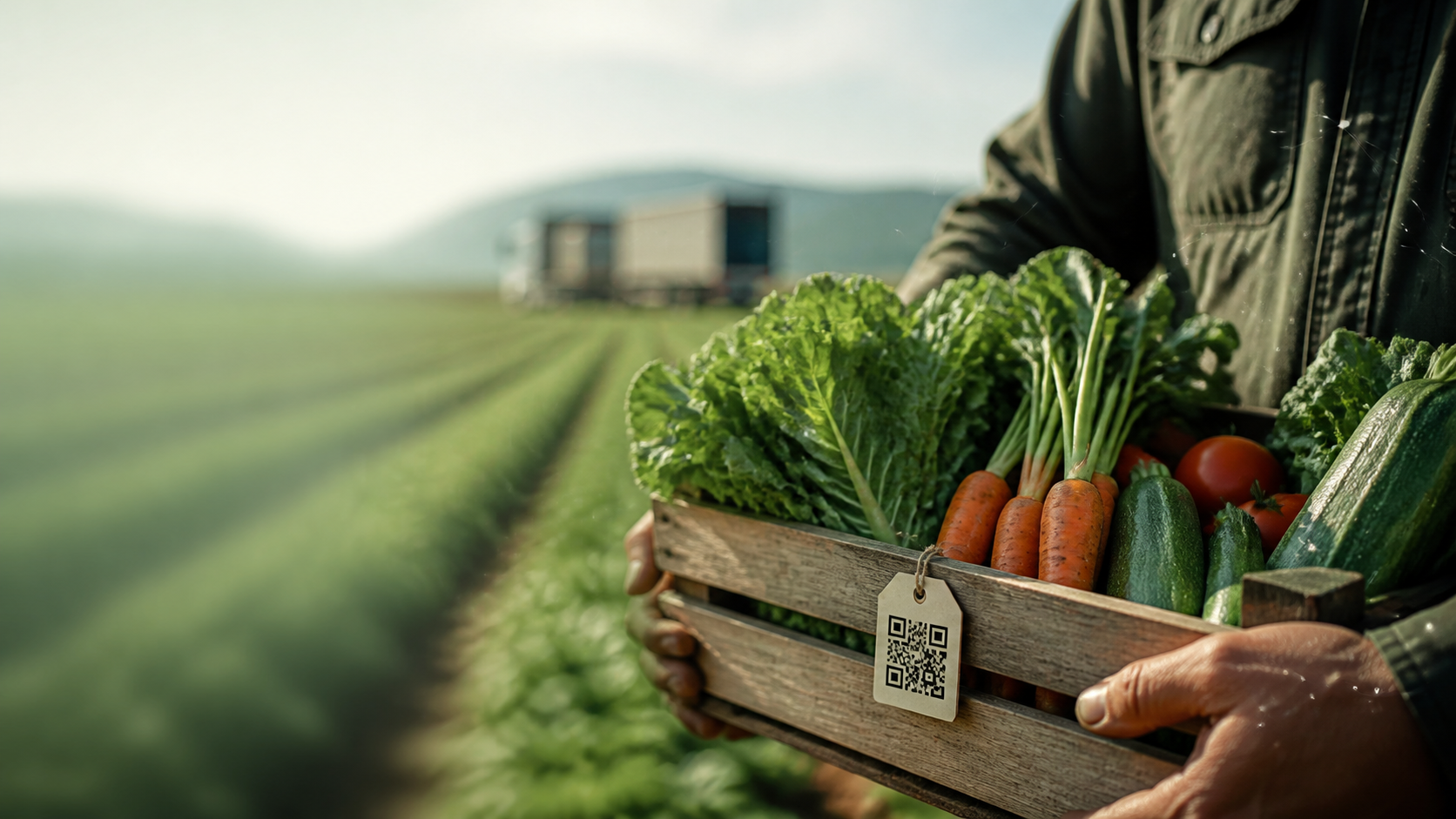
Traceability is an evidence discipline
A batch code or QR label is useful only when its record can answer where a product came from, who is connected, what events were recorded, what evidence supports them and what remains unverified. Good traceability makes the evidence boundary visible; it does not invent certainty.
Build one connected record
Avoid asking farmers, cooperatives and buyers to enter the same information repeatedly. Link the farmer and farm profile to the correct programme, field, crop or product, then add controlled events such as harvest, collection, storage, quality review or transfer.
Prepare for responsible review
For each event, record date, responsible party, relevant location reference, status and evidence reference. A buyer-ready batch can support review of origin and supporting material, but it is not a legal conclusion, certification or substitute for transaction-specific due diligence. CONSAI Agro & Energy OS provides the evidence-first workflow; verification remains a human and institutional responsibility.
Practical checklist
- Start with the decision, not a feature list.
- Record source, date, assumptions and evidence owner.
- Keep unverified information clearly marked.
- Assign the next action to a named person.
Next step
Use a governed workflow to organize the relevant context, evidence and review route before making a claim to a buyer, supplier or funder.
Credible execution starts when the question, evidence, owner and next decision are visible in one governed workflow.